Sex Worker Search

Image courtesy of Blazoner.

Cash is king in the sex work business, especially for in person providers.

An envelope with my work name written on it containing my exact fee handed to me at the beginning of the session without me having to ask, is always very welcome.

But there are times when I'd like to be able to receive funds electronically and doing so can be a bit of a mine-field.

I hope the following ideas can be of use in enabling sex workers to engage in e-commerce in a way that's safe and profitable.

Two good reasons why a sex worker may choose to charge via electronic payments rather than cash are for deposits and for content sales.

Deposits

The idea of a deposit is to minimise the risk of setting up an appointment with a prospective client and then having them not show up.

The timewaster is the bane of every sex worker's existence. They will pretend they want to meet and even go so far as agreeing to a day, time and location, just to trick you into entertaining them for free via calls, txt, whatsapp messages, exchanging pictures or whatever variety of pointless communication they can extract from you without paying. They have zero intention of meeting and paying.

Asking for a deposit very early on when contacted by a new client is a highly effective antidote to timewasters.

The problem is, some genuine clients will also look elsewhere rather than pay the deposit.

They might be concerned that you will keep the deposit and ghost them.

This is a legitimate concern. Deposit scams are very common. Especially on directories where the advertised sex worker has just one unverified ad and that's their entire web presence.

A sex worker who has their own website, eg every independent provider indexed in search results here on Sex Worker Search,  is very unlikely to be a deposit scammer.

Another possible deterrent to paying deposits is the clients need for discretion. Many clients are married or have a partner and do not want anything to appear on their bank statement that could raise suspicion.

Whether or not to charge deposits is up to the individual. It's a controversial topic. As you can see from the history of the use of the word "Deposit" in titles of posts on the sexworker subreddit.

Selling Content

There is massive demand for sexually explicit content produced by independent sex workers.

Porn is a multi billion dollar industry. Onlyfans alone had revenue worth $2.5 billion USD in 2022.

The combined revenue of the top 10 content sales sites including the likes of ManyVids, Patreon, Clips4Sale, FanCentro, AVN Stars and JustForFans is in the tens of billions.

And yet, for all those tens of billions of dollars, the industry is remarkably difficult to actually make any money in for individual, independent performers.

Each of the sites listed above take commissions of between 20% and 60% of sales.

OnlyFans  On their terms it says  they take a commission of 20%.

ManyVids: I couldn't find anything on the Manyvids website saying how much their commission is. Googling it didn't bring up an exact figure either as far as I could see. I guess it's a secret? Chat GPT says it's between 20 and 40%

Clips4Sale:  Says you can earn 60% of total clip sales and 80% of your customer tips on their Start Earning page.

FanCentro:  takes 25%. This information is easy to find on their FAQ.

JustForFans: takes a 30% commission according to this.

AdmireMe.VIP: according to their FAQ they take 20%

IsMyGirl:  It says here they take 20%

JustForFans: According to this site they take 20%. I couldn't find this information on the Justforfans site.

Fancentro: This article says they take 20%. Their website doesn't seem to say.

Those commissions listed above are exorbitant. Especially considering how little they actually do for content creators. Most of them don't disclose their commission on their own site as if they are ashamed of how badly they're ripping off sex workers.

None of the sites above generate much, if any, traffic  to the accounts of individual content creators. The only way to actually sell anything on any of these platforms is if you can attract paying customers by yourself from somewhere off platform. eg if you already have a massive social media following.

How to Get Paid

Ideally, it would be great if clients could simply pay deposits and our fees for content sales directly to each independent provider without any third party taking a commission.

Ways to receive payments online include credit card payment portals on our own personal websites, bank transfers, cryptocurrency, gift cards and wishlist sites.

Credit Card Payment Portal

Being able to simply take Visa and Mastercard payments directly on our own personal websites would be perfect.

Actually finding a payment portal provider who is willing to work with in person providers, is seemingly impossible.

If you are a content creator who does not meet clients in person, you might be able to get one of the payment providers to work with you but it will probably be one that specialises in "high risk" industries. Anything to do with porn or sex work is considered to be high risk for chargebacks. ie someone will pay for a video clip, watch it and then report it as an unauthorised transaction to their bank and get a refund.

This is the reason given why payment providers charge much higher fees and commissions to work with anyone in our industry.

For anything non porn related, the average total payment processing fees for Visa and Mastercard transactions typically range from around 1.5% to 3.5% of the transaction amount.

For anything that is porn related the fees are more likely to be between 5% to 15% or more of the transaction amount.

Someone on reddit recommended authorize.net. I've just sent them a message on twitter and I'll update here if they say they are sex work friendly.

Bank Transfers

Another payment method that should be ideal is simply logging into your internet banking as a client and sending money to a sex worker.

One problem is, if it's a personal account, the client is likely to need your real name.

Also, if your bank gets the idea that you're a sex worker, even if you work in a country where sex work is perfectly legal, they can close your account.

I'm based in UK so sex work is legal here. I'm registered as a sole trader. I pay tax. I have a business bank account in my work name with Tide. Even then it would only take one client to ignore my instructions and put something sex work related in the description like "porn video clip" and I could have my account closed.

Cryptocurrency

Receiving payments via cryptocurrency like Bitcoin has the advantage of anonymity. You don't need to give your client your real name. Just a crypto address which is a long string of alphanumeric characters.

The main drawback is that very few clients have a crypto wallet and setting one up and using it is usually viewed as complicated beyond the ability of most clients to achieve.

It's not really that difficult.

Here are step by step instructions for the wallet and exchange I use. It's called OkX.

Visit the OKX Website: Open your web browser and navigate to the official OKX website.

Click on "Sign Up": On the homepage, locate and click on the "Sign Up" button. This will typically be located in the top-right corner of the page.

Fill Out the Registration Form: You'll be directed to the registration page where you'll need to fill out the registration form. Provide the required information, including your email address, password, and any other details requested by OKX.

Verify Email: After filling out the registration form, OKX will send a verification email to the email address you provided during registration. Check your email inbox for this verification email and click on the verification link to verify your email address.

Complete Verification Process: Depending on OKX's requirements, you may need to complete additional verification steps to fully verify your account. This may include providing identity verification documents such as a passport or driver's license and proof of address.

Log In to Your Account: Once your account is verified, log in to your OKX account using the email address and password you provided during registration.

Navigate to Wallet: After logging in, navigate to the wallet section of your OKX account. This is where you can manage your cryptocurrencies and access your OKX wallet.

Set Up Wallet: If you haven't already set up a wallet, you'll be prompted to do so. Follow the on-screen instructions to set up your OKX wallet. This typically involves generating a wallet address for each cryptocurrency supported by OKX.

Secure Your Account: It's important to take steps to secure your OKX account and wallet. This may include enabling two-factor authentication (2FA), setting up strong passwords, and following best practices for online security.

Deposit Funds: Once your wallet is set up, you can deposit funds into your OKX account to start trading. Navigate to the deposit section of your account and follow the instructions to deposit funds via bank transfer, credit/debit card, or cryptocurrency transfer from another wallet.

Start Trading: With funds deposited into your OKX account, you can start trading cryptocurrencies on the OKX exchange. Navigate to the trading section of your account to buy, sell, or trade cryptocurrencies.

Keep Your Information Updated: Make sure to keep your account information up to date, including your contact information and security settings, to ensure the security of your OKX account and wallet.

Their customer service is very good. I needed help to get set up. Again to buy Bitcoin to pay for ads. and again to sell Bitcoin clients sent me and transfer the fiat currency into my bank account. Each time I went on the Okx live chat and they walked me through the process.

Using crypto is a lot more challenging than using a credit card or sending a bank transfer but it is anonymous and you're unlikely to face any discrimination around being a sex worker.

Gift Cards

I often get clients to send me a gift card as a deposit if they don't want to do a bank transfer and have my work name on their bank statement and they feel that crypto is too complicated. John Lewis is a good one here in London, UK, as it can be used for anything in the department store or at any Waitrose supermarket. Selfridges is ok. They're a bit slow. Often takes until the next business day to come through. Amazon often doesn't come through. Clients often find their payments to Amazon for gift cards don't work. Either blocked by Amazon or by their bank.

Paxum and CCbill

I've seen these two recommended on a few different sites for example here and here. I will contact both and update this blog post when I hear back.

Venmo

Venmo isn't available here in the UK but I understand some sex workers use it in USA. Venmo is anti sex work and will blacklist you if they find out you're a sex worker.

Cashapp

Cashapp is available in USA and UK but last year they suddenly decided to limit all UK users to £100 worth of transactions per month rendering it almost completely useless here. Like Venmo, they're anti sex work and will ban you if they find out you're a sex worker.

Paypal

Don't ever use Paypal. They are notorious for being extremely anti-sex work. If they get any idea you're a sex worker, they will ban you and steal any money left in your account. If anyone asks them for a refund, they will always side with the buyer over the seller no matter what so they are the worst for chargebacks.

Wishlists

WishTender and Throne are platforms where clients can purchase gifts listed on the wishlists of sex workers.

Wishtender is supposed to allow clients to send gifts to sex workers and then sex workers can have the gifts sent to their address or they can withdraw the value to their bank account via Stripe.

Unfortunately Stripe dumped Wishtender in February and they still haven't managed to get their payment system working again. Initially they said they had another payment processor and it would be all up and running again in a few weeks but that was months ago and they still can't process payouts.

Throne states that they are privacy oriented and you can list items on your wishlist from any online store. It looks like you can withdraw funds if you have a cash balance on Throne.

Throne also uses Stripe but for now their payment system still seems to work.

SpankPay

This seemed like a really promising idea. It was intended to be an adult-industry-friendly payment solution that would enable adult entertainers and merchants to accept cryptocurrency for their services Unfortunately they had to shut down their operation last year when they lost their payment processor.

Petition to Ensure Sex Workers are Not Excluded From Banking Services in UK

I did my best to promote this petition at the time. I posted about it on the Sexworkers and Sexworkersonly subreddits where I'm a moderator. I posted on twitter and messaged all my contacts asking them to share tweets linking to the petition. I broadcast it to my whatsapp contacts and shared it as my whatsapp status and asked others to do the same. 1 month before the petition ended it didn't look like we would get the requisite 10,000 signatures needed to get a response from the UK government. Then thanks to a final push on reddit, we did reach to 10k signatures. We got the government to respond. All they had to say was "sex work is not illegal in UK so banks cannot discriminate against sex workers and close their accounts for no other reason than the legal industry in which they are employed. The government completely failed to make a statement to this effect.

Their response doesn't even mention the word 'Sex Worker' but does make a point of bringing up sex trafficking and modern slavery. Lists a few wishy washy platitudes about policies that already exist in general terms, for everyone, presumably including sex workers but without mentioning us specifically despite that being the entire point of the petition. Disappointed.

Other Campaigns Against Financial Discrimination

The Free Speech Coalition (FSC) does a lot of excellent work campaigning, mostly in USA, but also internationally, for sex worker rights including our right to use financial services.

More Information

Sex Worker Helpful has an article on payment options. It's from 2018 so double check what's there against more up to date sources but it's a great article.

I recommend reading this article shared on the National Ugly Mugs website about the impacts of financial discrimination against sex workers.

A shadow ban is Twitter's method of reducing an account's visibility without fully suspending it.

It's a sneaky and cowardly way to censor content that advertisers might disapprove of without outright banning accounts in order to keep numbers of active users inflated and use these figures to sell ad space.

When subjected to a shadow ban, tweets and replies from the affected account become less prominent in users' feeds.

Apparently this happens when Twitter suspects an account of being automated or when the user breaches the platform's Terms of Service.

Exactly how this happens is a mystery. There's never any warning or explanation and no recourse to dispute.

How shadowbans are applied is inconsistent. Some accounts seem to post tweets that blatantly breach terms of service for years with zero repercussions. Other entirely innocuous looking accounts get shadowbanned seemingly at random.

Note: I'm never going to refer to Twitter as 'X'. That's just not good branding to have your company named something that's always going to look and sound as awkward as 'X' in a sentence.

Twitter used to deny the existence of shadowbans despite proof that this was happening. Eventually they did admit that it is their policy to shadowban sex workers.

How to check for a shadow ban on Twitter

The only tool I know of that can detect shadowbans on twitter is Yuzurisa.

Types of shadow ban

Search Suggestion Ban

This seems to be the most common type of shadowban whereby your account is omitted from search suggestions and people's search results if they don't follow you or when accessed while logged out. Engagement from existing followers may remain steady as your tweets continue to appear in their feeds. You will notice a decline in new follower acquisition.

Search Bans

These result in the complete concealment of your tweets from search results, irrespective of the quality filter settings. This includes the suppression of hashtags. Consequently, there's a notable decrease in both follower engagement and the acquisition of new followers.

Ghost Ban

This is commonly known as a traditional shadowban or thread banning. It combines a search ban with the complete removal of reply tweets from the affected user in threads. While everything appears normal to the affected user, many others are unable to view their reply tweets. This ban is typically imposed due to behaviours such as excessive tweeting or following. This type of ban appears to be temporary for active accounts.

Reply Deboosting

When Twitter's algorithms detect potential harmful behaviour from an account, it conceals their replies behind a barrier that's only revealed when users click "Show more replies." This action is personalized, meaning tweets from accounts you follow are not hidden. Therefore, we employ an impartial reference account devoid of followers to ascertain if tweets within a thread can be accessed without clicking "Show more replies." Occasionally, Twitter categorizes accounts as offensive, leading to their replies being concealed behind a secondary barrier within the "Show more replies" section.

What to do if you're shadowbanned

Should I pay for twitter blue?

Don't bother paying for twitter blue. Doing so will not remove a shadowban. Only pay for it if you need it for some reason. I use it on my Oz account so I can send messages to people who don't follow me. I use this as a reddit moderator to verify people before approving them for the sexworkersonly subreddit.

Interact with non SW accounts

I've seen this suggested. The idea is that twitter has an algorithm that rates your account for tie strength. ie if you only interact with other SWs, that could increase the chances of shadowbans. It's worth a try but be careful who you interact with and how. If they always ignore you, or worse, they block you or report you, that's not going to work in your favour.

Post text only tweets as well as images

It's likely that if all your tweets are images, especially images which an algorithm detects as nudity or likely to be sexual in nature, that's going to increase the chances of a shadowban.

Some people make a habit of posting multiple innocent text only tweets in between posting images.

You can also try posting images that aren't in any way alluring or enticing in between posting something more designed to appeal to clients.

Comment on other people's tweets

This is good self promotion anyway since it means their followers are more likely to see your comments. It's also possible that if you never comment on anything and never like or retweet anyone, using twitter for the sole purpose of posting pics of yourself, that's going to look more like a bot account to their algorithm.

Don't do anything automated

Using third party apps and sites to post for you or to follow or unfollow is easily detected. Best not to.

Be wary of using engagement groups

Also easily detected and if it looks like you're trying to game their system, that's not going to look good. Maybe ok if the group is located somewhere outside twitter eg reddit or discord.

Don't post links

Some internal code was released a few years ago showing how twitter treats links in tweets. It seems that unless you have a huge following and massive engagement, all links you post will be treated as spam and result in that tweet being hidden in feeds and search.

Don't use hashtags

As above. Using multiple hashtags in a tweet is treated as spam.

Links in Bio

I recommend using linktree, a link aggregator. You can out your links to your website, insta, reddit, email etc on your linktree and then put the linktree link in your twitter bio. If you put your website link, or especially a link to a directory ad or content sales site, directly into your bio, that's a great way to get shadowbanned.

Bots

When you're shadowbanned, the only new followers you'll get are people who find the link to your twitter somewhere else, eg on your website. Also, bots. You'll get very generic looking followers with attractive profile pics, or no profile pic at all, they have made up sounding names, they'll be following 4 or 5 thousand  accounts but have less than 100 followers of their own. These accounts may look like sex workers but will never have a link to a personal site or a linktree in their bio. If there's any link in their bio at all, it will be to some webcam site you've never heard of. Just block them. If you do follow them, you'll immediately get a message trying to scam you.

Change your profile picture and banner

It's very unlikely any human twitter employee will ever look at your profile but their algorithm does know how much skin you're showing. Less skin means less chances of shadowbans. It also means your profile is less appealing to clients. If you can't show anything, what's the point? As I said, it's all wildly inconsistent. You might show an ankle and get a shadowban so you never grow past a few hundreds of followers. Someone else shows hardcore porn and has millions of followers.

Delete all your tweets, retweets, likes, bio and profile pic

I've done this a few times using the Social Erase plugin for chrome. I know I said not to do anything automated but if you're already shadowbanned and it doesn't drop off after a few weeks, you may as well just wipe your account clean, log out, stay off twitter for a week or two, then log back in and see if the shadowban is gone.

Deactivate your twitter temporarily

You'll enjoy the digital detox. You can deactivate your twitter for up to 30 days. Then it gets deleted and your account is gone for good. If deleting all your tweet setc doesn't work, try deactivating, wait a few weeks, then activate it again.

So why bother using twitter at all?

Clients do look at whether you're active on social media or not as an indicator that you're genuine, enthusiastic and invested in your reputation. Having links to socials on your website and putting a certain amount of effort into our social media presence is at this stage something most of us do feel the need to tolerate. It does sting knowing that the work we put into sharing content on twitter converts directly into a dollar value for Elon while his company is openly anti sex work. Hypocrites. I hope this won't always be the case. Honestly, I'd be quite happy if twitter decided tomorrow to outright ban all sex workers. Without us all the clients would leave too thus creating a giant gap in the market which could easily be filled by some other platform that is actually pro sex work.

Work on your own Blog instead

Don't worry about Elon. I'm sure he'll manage without us. Take the time and effort you put into tweets and spend it on your own website. Clients can search for the word "blog" here on Sex Worker Search et voila, just like a twitter feed only instead of supporting a giant, evil, megalomaniac corporation, you're supporting independent providers.

More Information

Twitter told a straight up lie in saying that they do not shadowban.

This reddit post is from 2021 and a lot of the information seems to be outdated now but it's still worth a look.

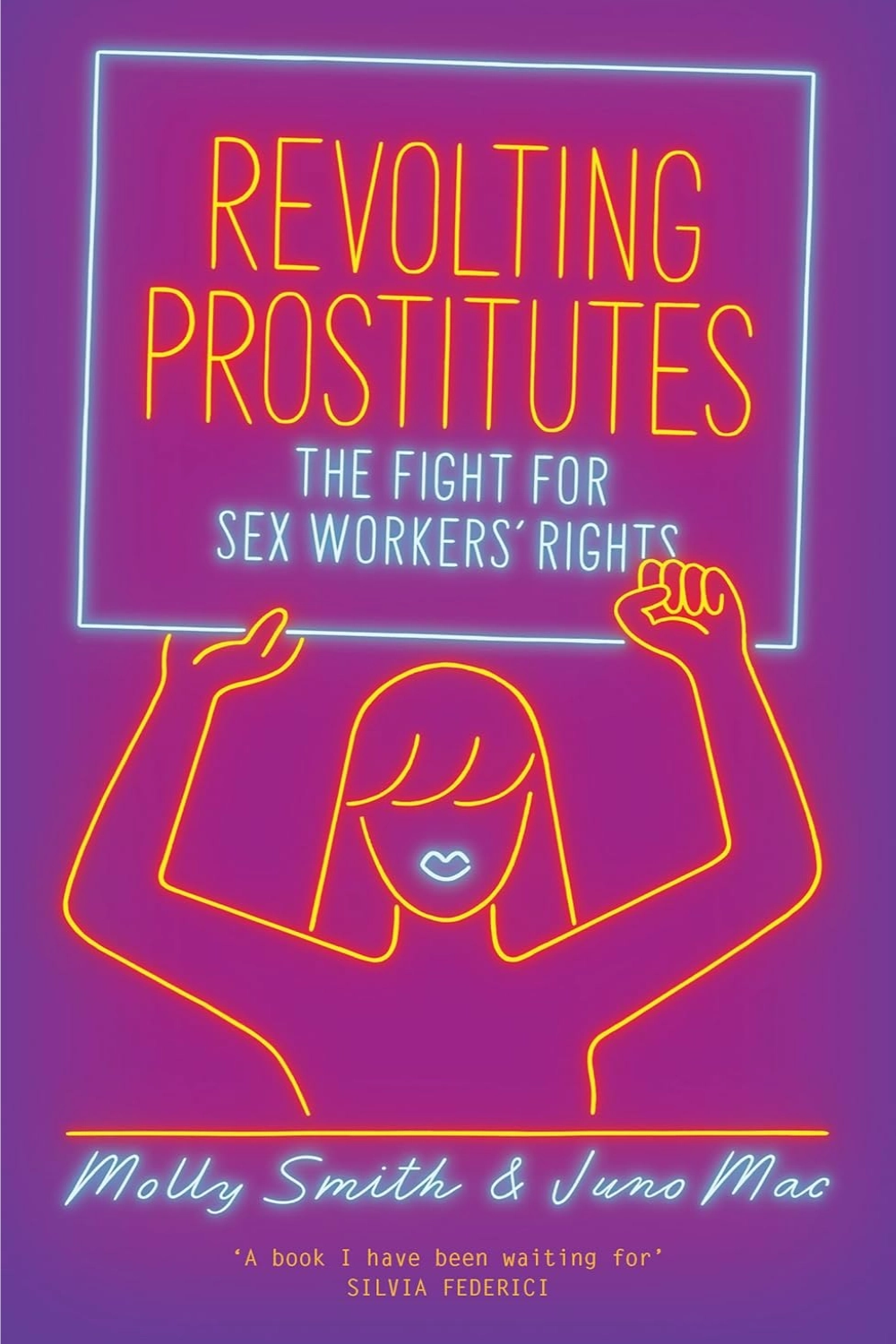
Revolting Prostitutes is a thought-provoking book that tackles the complex subject of sex work with an impressive blend of scholarship and activism. Written by Juno Mac and Molly Smith, this book offers a fresh perspective on the issues surrounding sex work, challenging societal norms and advocating for the rights and dignity of sex workers.

One of the most commendable aspects of "Revolting Prostitutes" is its unapologetic commitment to centering the voices and experiences of sex workers themselves. The authors give agency to individuals often marginalized and stigmatized, allowing their stories and perspectives to shape the narrative. This approach humanizes sex workers and underscores the importance of listening to their lived experiences.

The book is meticulously researched, drawing from a wide range of academic sources, policy documents, and interviews with sex workers. It provides a comprehensive overview of the legal, social, and economic aspects of sex work, making it an invaluable resource for anyone seeking to understand the nuances of this multifaceted issue.

Furthermore, "Revolting Prostitutes" challenges prevailing moralistic and paternalistic attitudes towards sex work, advocating for the decriminalization of sex work as a means to empower sex workers, improve their working conditions, and reduce the harm they face. The authors make a compelling case for the need to prioritize harm reduction and labour rights over criminalization.

The writing style is engaging and accessible. Anyone can learn from this whether they be academics, activists, policymakers, or the general public.

The book succeeds in presenting complex ideas in a clear and understandable manner, fostering greater public awareness and dialogue on this important topic.

In conclusion, "Revolting Prostitutes" is an enlightening work that challenges societal norms and misconceptions about sex work. By giving a voice to sex workers, it provides a valuable perspective on issues that deserves thoughtful consideration. This book is an essential read for sex workers, clients and anyone interested in social justice, human rights, and the empowerment of marginalized communities.

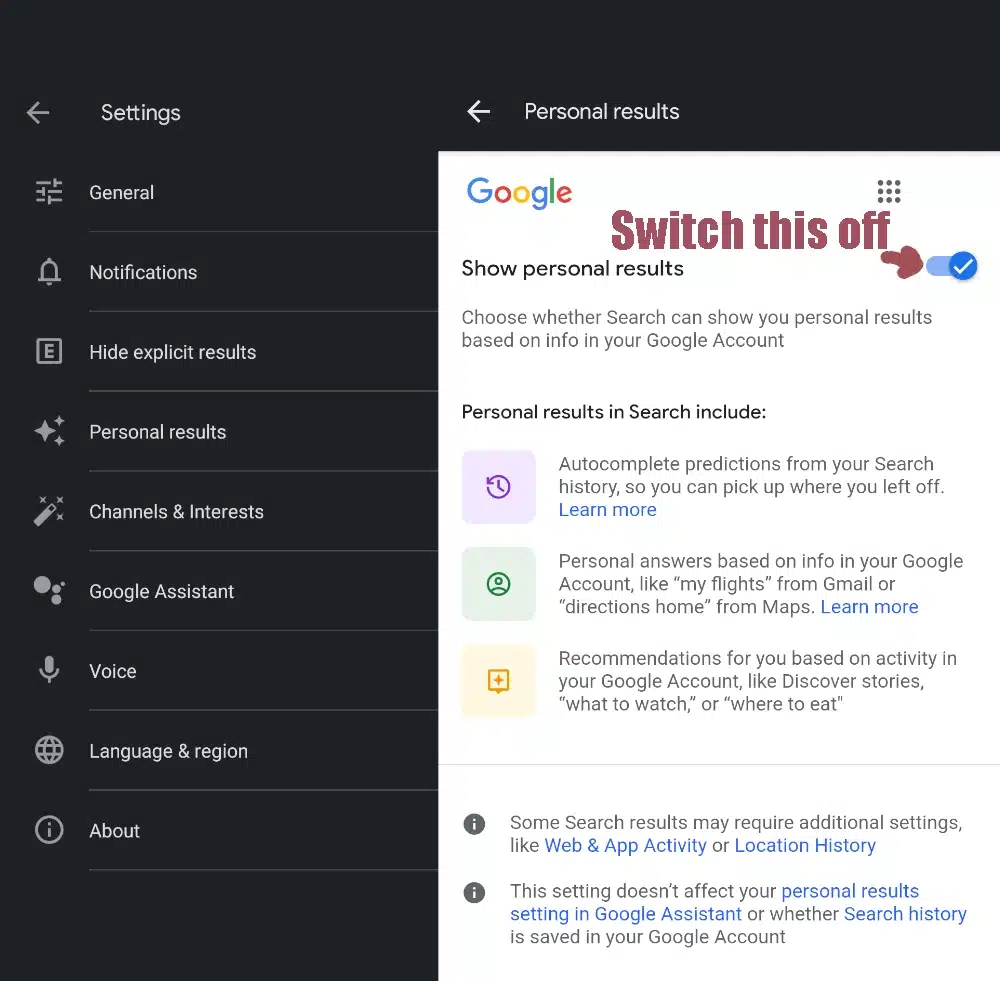
As of the last few weeks google has started censoring sex worker websites from some search results.

Starting from November 1st it appears google started doing something to suppress search results that point to sex work related websites.

Something unrelated to whether people have safe mode on, or off.

The first I heard about this was on reddit.

Over the following few days multiple people posted   about   this   censorship.

So I went to twitter. "X" whatever. Searched for "google",  filtered by posts from people I follow and sorted by new then scrolled back to November 1st to see what people were saying at the time when this started happening.

If you're following a lot of sex workers on twitter, I recommend repeating the steps above to get a sense of how we feel about the possibility that google could, on a whim, flush all the hard work we've ever done on SEO and self promotion down the toilet.

If clients can't find us, we don't work. Our success, or failure, in our efforts to make a living as sex workers depends on our visibility in search results. Either via clients finding our own personal websites or finding directories and then finding our listings on those directories. If they can't do this, what are we supposed to do?

People are asking about this on google's help page, so far with no solution.

A lot of people are asking about this on the google support reddit megapost for November too.

It's interesting that something as news-worthy as the world's leading search engine suddenly deciding to pretend sex workers don't exist hasn't rated any mention whatsoever in mainstream news.

The solution for those experiencing this is to log into your google account, go to Settings > more settings > privacy and safety > personal results off.

But how many clients will figure that out?

Not everyone is seeing the censored search results so it may be that google is rolling out this new "feature" to only a selected percentage of their users initially with a view to making this universal after a trial phase.

I recommend using Duckduckgo instead of google. It's a privacy oriented search engine that doesn't track it's users and does not censor search results.

And of course, if you're searching for sex workers, that is what Sex Worker Search is for.

I think it's fair to say that without sex workers, and the adult industry, there would be no internet as we know it.

It's pure hypocrisy that giant corporations like google that make hundreds of billions of dollars per year thanks to an internet the adult industry to a great extent built for them, then censor us.


Image courtesy of wikimedia.

Sexworkersear.ch now has 2300 web sites indexed.

Each of those 2300 sites is now searchable on the sex worker search engine and will appear in search results with a similar title, tagline and meta description to search results displayed by other search engines like Google and Bing.

The titles are clickable links that will open a new tab taking you to a website belonging to an independent sex worker.

Each site has location tags for city and country so if you search for "London", for example, you'll see all 264 of the sex workers indexed so far with London as a location tag or with London in the name, title, tagline or meta description.

In the interests of transparency, the algorithm I'm using for my search engine is weighted such that each mention of the term you search for is worth 1 point unless it's a location tag. Then the tag is worth 300 points and additional mentions are 1 point each. Premium adds 2000 points and featured adds 1000 points.

I sorted all the sites alphabetically by name just out of curiosity to see what the most popular sex worker name indexed so far is.

And the winner is ....

(*drumroll*)

Chloe!

The name Chloe appears 22 times in the names of the sites indexed so far.

Ava, for a close run second place, appears 21 times.

Other names appearing more than 10 times include Anna, Ashley, Audrey, Emma, Eva, Isabel, Ivy, Lilly, Mia, Natalie, Nicole, Olivia, Scarlett, Sofia, Sophia and Victoria.

There were also 8 Sophies so if you count Sofia, Sophie and Sophia as almost the same name, they combine to overtake Chloe.

Anyway, I'm awarding victory to Chloe.

I think Chloe is an excellent sex worker name. It has origins tracing back to the Greek name Khlóe, signifying 'young green shoot' of a plant, construed to symbolize 'blooming'.

In ancient Greece, Khloe was a nickname for the mythical Demeter, the deity associated with fertility, harvest, and the cyclical seasons.

That's the original Khlóe in the featured image doing the Draw Me Like One of Your French Girls pose for an ancient Greek escort website. Either that or she just took an industrial strength antihistamine.

I asked Google Bard what I thinks about decriminalisation of sex work.

Here's it's response =

Those who argue against criminalisation point out that sex work is a form of work, and that workers should have the same rights and protections as other workers. They also argue that criminalisation does not actually stop sex work, but instead drives it underground, where it is more dangerous for workers.

There is a growing body of evidence that supports the argument that decriminalisation is the best way to protect sex workers. For example, a study by the World Health Organization found that countries with decriminalised sex work had lower rates of HIV infection among sex workers than countries where sex work was criminalised.

Another study, by the International Labour Organization, found that decriminalisation was associated with improved working conditions for sex workers, including increased access to health care and social services.

Of course, there are still risks associated with sex work, even in a decriminalised setting. However, these risks can be mitigated through education, outreach, and regulation.

Overall, the evidence suggests that decriminalisation is the best way to protect sex workers and their rights. It is a complex issue, but one that deserves serious consideration.

Here are some specific reasons why sex work should be decriminalised:

Decriminalisation would protect sex workers from violence and exploitation. When sex work is criminalized, sex workers are less likely to report violence or exploitation to the police, for fear of being arrested themselves. This leaves them vulnerable to abuse from clients, pimps, and other criminals. decriminalisation would allow sex workers to report crimes without fear of reprisal, and would make it easier for law enforcement to investigate and prosecute those who commit violence against sex workers.

Decriminalisation would improve the health and safety of sex workers. When sex work is criminalized, sex workers are less likely to have access to health care and other services. They are also more likely to engage in risky sexual practices, such as unprotected sex, in order to avoid arrest. decriminalisation would allow sex workers to access health care and other services without fear of arrest, and would help to reduce the risk of HIV and other sexually transmitted infections.

Decriminalisation would reduce stigma and discrimination against sex workers. When sex work is criminalized, it reinforces the stigma and discrimination that sex workers already face. This can make it difficult for sex workers to access housing, employment, and other essential services. decriminalisation would help to reduce stigma and discrimination against sex workers, and would make it easier for them to live their lives with dignity and respect.

Of course, there are still some who oppose the decriminalisation of sex work. However, the evidence suggests that decriminalisation is the best way to protect sex workers and their rights. It is a complex issue, but one that deserves serious consideration.

Yes!

Almost all sex worker organizations around the world favour the decriminalization of sex work, and have that goal as a primary objective.

Here is a list of sex worker organizations.

For example Global Network of Sex Work Projects, English Collective of Prostitutes and SWARM Collective.

One thing Chat GPT didn't mention was the reasons why legalisation and the so called Nordic Model are inferior to full decriminalisation.

So I asked Bing AI to clarify =

According to Human Rights Watch, full decriminalisation is a more effective approach to protecting sex workers’ rights than the Nordic model because research shows that it is more effective in reducing violence and exploitation against sex workers1. Decriminalisation of sex work means that sex workers are no longer breaking the law by carrying out sex work. They are not forced to live outside the law and there is better scope for their human rights to be protected2If sex work is legalised, it means that the state makes very specific laws and policies that formally regulate sex work2.

That's also pretty good. Simplistic but it has the right idea.

Last but not least, I asked Chat GPT what it thinks about discrimination against sex workers on social media.

Here's it's take =

Discrimination against sex workers on social media is a distressing issue that has garnered significant attention in recent years. Sex workers face stigmatization and prejudice both online and offline, and social media platforms have become an additional battleground where this discrimination often plays out.

One of the key challenges faced by sex workers on social media is the prevalence of policies that explicitly or implicitly target and censor their content. Major platforms such as Facebook, Instagram, and Twitter have implemented strict community guidelines that prohibit the promotion of sexual services, adult content, or anything that may be deemed "sexually explicit." While these policies are intended to prevent exploitation and protect users, they often result in the silencing and exclusion of sex workers from these platforms.

The enforcement of these policies is often inconsistent and arbitrary, with sex workers experiencing disproportionately harsh penalties and content removals compared to other users. Their accounts may be suspended or permanently banned, leading to the loss of their online presence, connections, and income streams. Moreover, these policies drive sex workers to adopt alternative platforms that may have fewer user protections or pose other risks.

Another form of discrimination against sex workers on social media manifests in the negative portrayal and harmful stereotypes perpetuated by users and media outlets. Sex workers are frequently subjected to derogatory comments, harassment, and cyberbullying. They may face personal attacks, threats, and doxing, which can have severe emotional and psychological consequences. Moreover, the public shaming and dehumanization of sex workers perpetuate societal biases and hinder efforts to improve their safety, health, and overall well-being.

Furthermore, algorithms used by social media platforms can amplify existing biases and further marginalize sex workers. These algorithms are designed to prioritize content based on user engagement, often favouring posts that generate more likes, shares, or comments. However, this can lead to a situation where positive and supportive content related to sex work is suppressed, while negative and judgmental content gains more visibility. Consequently, sex workers find it challenging to share their experiences, advocate for their rights, and build supportive communities online.

Addressing discrimination against sex workers on social media requires a multi-faceted approach. It starts with revisiting platform policies and guidelines to ensure they do not disproportionately target sex workers. Platforms should actively engage with sex worker-led organizations and advocacy groups to develop more inclusive and fair policies that consider the diverse experiences and needs of this community.

Education and awareness campaigns are also essential in combating stigma and challenging harmful stereotypes. These efforts should emphasize the human rights and labour rights of sex workers, dispel misconceptions, and encourage empathy and understanding.

Social media platforms must invest in training their content moderators to approach sex work-related content with sensitivity and fairness. They should adopt transparent and accessible appeals processes to rectify content removal mistakes or unfair account suspensions.

Lastly, users themselves need to actively participate in creating a more inclusive and supportive online environment. This involves confronting their own biases, challenging harmful narratives, and standing up against harassment and discrimination targeting sex workers.

By working collectively, we can strive for a more equitable and just digital space that respects the rights and dignity of all individuals, including sex workers.

High five Chat GPT!

For more information re discrimination against sex workers on social media, I recommend reading The ‘Mommy Goddess’ and the Mass Reporting of Sex Workers on Instagram by Olivia Snow for Jezebel.

The Free Speech Coalition does a lot of excellent work protecting the rights and freedoms of adult industry professionals.

I own three twitter accounts and one instagram and they're all shadowbanned.

For example my Sex Worker Search Twitter account, is utterly useless as per the Shadowban test.

Only my own followers can find my accounts and my tweets. Nothing I've posted appears in search or under location tags. Even typing my usernames into the search field doesn't show my accounts. This is all pretty normal for sex workers.

I have resorted in the past to using this chrome plugin to delete all my posts, retweets and likes, then deleted my profile pic, background, bio and everything else leaving a pristine, blank profile with nothing there. The idea is to logout of twitter and not login again for a month or so. I've done this a few times and it has temporarily gotten rid of shadowbans but I just keep getting shadowbanned again and again.

I used to have a twitter account with over 100,000 followers and got banned with no warning, no explanation and no access to a human to consider an appeal.

Fuck social media. The only reason I don't just delete them all is because having the little social media icons on my website leading to accounts where I post reasonably regularly is expected and for some clients is part of the reason they choose to meet me.

Maybe if sex work gets decriminalised in the USA the situation with social media might improve. We'd be less likely to get outright banned then. I suspect shadowbans would still happen since there's still the fact that the companies spending money on ad space don't want their ads to appear next to sex workers.

I hate the idea of compulsory age gating but it seems that's the way things are headed. One side effect could be that these social media giants could know which of their users are adults who want to see adult content and then there would be no need for shadowbans. There's still no way I'm giving my ID documents to them and just hoping they don't sell them to advertisers or hand them over to the feds.

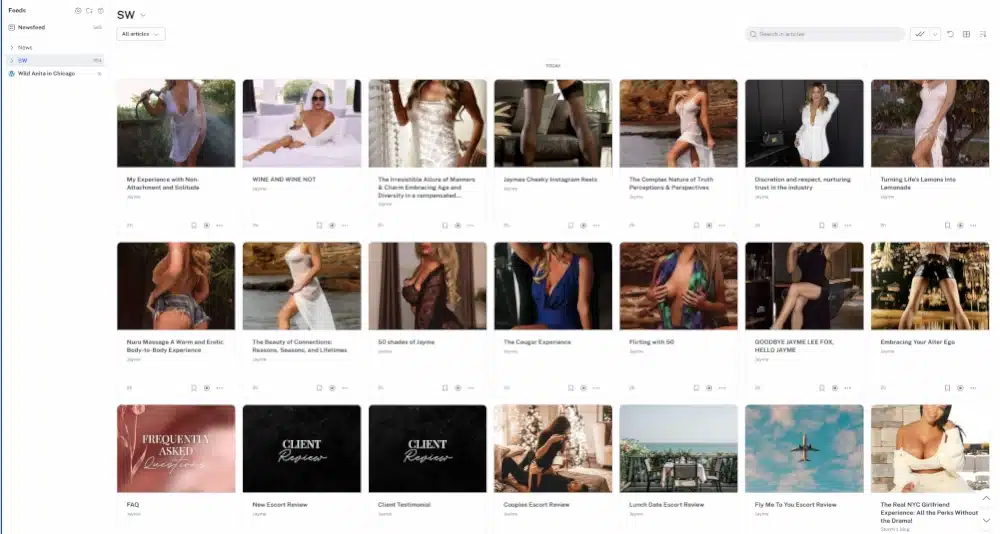
I think the best social media is a blog page on your own personal website and then if people want to experience that like a twitter or instagram feed, they can add your blog and the blogs of all the sex workers they want to follow to a privacy oriented open source rss feed reader so they can view a list of the headlines of all the new blog posts of all the sex workers they like as they are posted with no bans, no shadowbans and complete control of the content in the hands of the sex workers.

On my to do list is to go through all the independent sex worker sites currently indexed here on Sex Worker Search and tag each site that has a blog page with the word "blog" so that people can type in search terms to find sex worker blogs to add to their RSS feeds.

In doing so I'm happy to give the middle finger to Elon Musk and his ilk. I doubt the hegemon of twitter will ever man up and make a clear cut decision regarding who's welcome and who isn't. Why cant twitter just be transparent about their own terms? Why can't they enforce consistently? What's the point of sneaky shadowbanning and banning with no warning, no explanation and no recourse for the consideration of human customer service?

Also, can we just fire all the politicians and replace them with Chat GPT, Bing AI and Google Bard? I for one welcome our new machine overlords.